Curb appeal gets treated as a cosmetic subject, which undersells it. In Southern California the sun does real damage to the outside of a house, and most of what makes a home look tired is also what is letting heat and moisture get at it. That makes exterior work unusually good value here, because the same money buys appearance and protection at once. This ranks the work by impact per dollar, and separates the jobs that genuinely protect the building from the ones that only change the view.
What actually drives curb appeal
Stand across the street from your house and look at it for a minute. Almost everyone’s eye goes to the same four things in the same order: the overall colour and condition of the walls, the front door and entry, the roofline, and the planting and hardscape in front. Everything else is detail.
That order is useful because it is also roughly the order of cost, which means the highest-impact work is not the most expensive. A house with fresh paint, a good front door and tidy planting reads as cared for regardless of its age or size, and a house with faded walls and a dead lawn reads as neglected no matter what has been spent inside it.
Skilled trade labour runs about $75 to $150 an hour in this region (GreatBuildz, Inland Empire), which is the figure most of this work is priced from.
Paint is the single biggest move
Nothing else changes how a house looks for the same money. It is also, in this climate, genuinely protective rather than decorative.
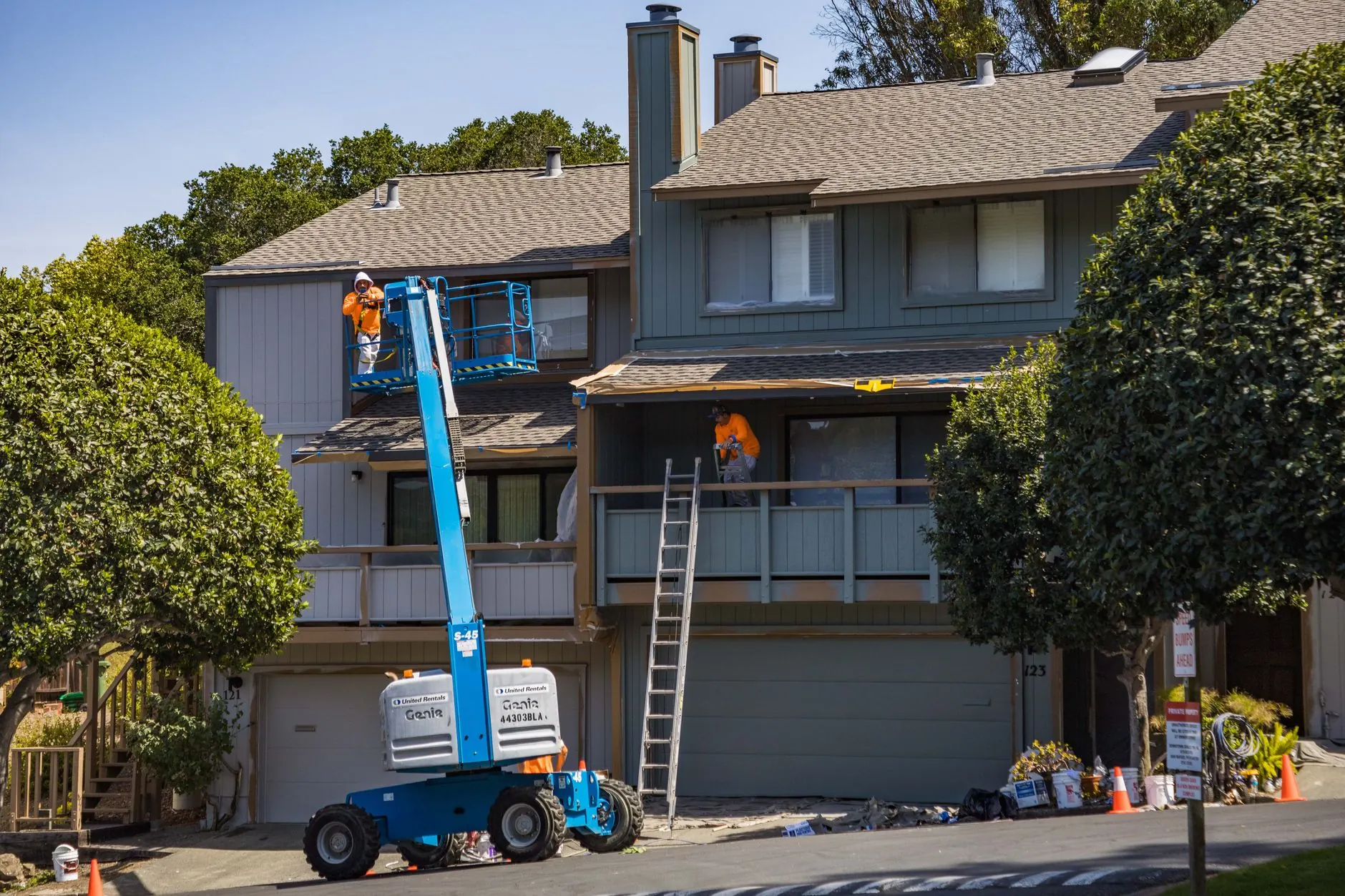
Exterior paint is the building’s ultraviolet barrier and its first defence against moisture getting into stucco or siding. Sun here degrades a coating faster than in milder climates, particularly on south and west elevations, and once it fails the substrate underneath starts taking the damage directly. A repaint on schedule is cheap. Repairing stucco that has been left unprotected for years is not.
Two things decide whether a repaint lasts. Preparation, meaning washing, scraping, filling and priming, which is invisible in the finished job and is the entire difference between a coating that holds for a decade and one that fails in three years. And colour choice in this light, where very dark colours absorb a great deal of heat and fade noticeably faster on the sun-facing walls.
The front door and the entry
The highest return per dollar on this entire page. The entry is where a visitor’s eye lands and where a photograph of the house is taken from, and it is a small area, so quality materials are affordable at that scale.
A new door, or a properly refinished one, plus decent hardware, a light fixture that is not the builder’s original, and a clean path to it. That short list changes the whole front of a house for a fraction of what a repaint costs. If the door is sound, refinishing and new hardware gets most of the benefit for much less.
House numbers are the smallest job here and one of the most noticeable. Original numbers on a house of a certain age are usually small, faded, and the clearest signal that nothing outside has been touched in twenty years.
Curb appeal ideas by what they cost
Grouped by budget, with the honest version of what each one does.
Under a few thousand
- Paint the front door and replace the hardware. Best return on this page.
- New house numbers and a new entry light. An afternoon, and it dates the house forward twenty years.
- Pressure wash everything. Walls, driveway, path, fence. A surprising amount of what looks like fading is dirt, and finding out costs almost nothing.
- Clean and repair the gutters. Sagging gutters are visible from the street and are also the reason water ends up against the foundation.
- Trim back the planting. Overgrown shrubs across windows make a house look smaller and darker, and cutting them back is free.
- Fix the fence gate. A gate that hangs badly is noticed by everyone who walks past.
The larger jobs, and what they return
A full exterior repaint. The largest single change available, and protective as well as cosmetic. If the coating is failing this is not optional work, it is deferred maintenance.
Stucco repair. Cracks in stucco are common and mostly cosmetic, but the ones that matter let water in behind the surface. Worth having looked at before painting rather than after, because paint over an unrepaired crack fails at the crack.
Landscaping and irrigation. In this region the honest recommendation is drought-appropriate planting rather than lawn. It uses far less water, it survives the summer without heroics, and a well-designed drought-tolerant front garden now reads as deliberate rather than as a compromise. A dying lawn looks worse than no lawn at all.
Driveway and hardscape. Large area, highly visible, and expensive to replace. Cleaning and sealing gets a good part of the benefit at a fraction of the cost.
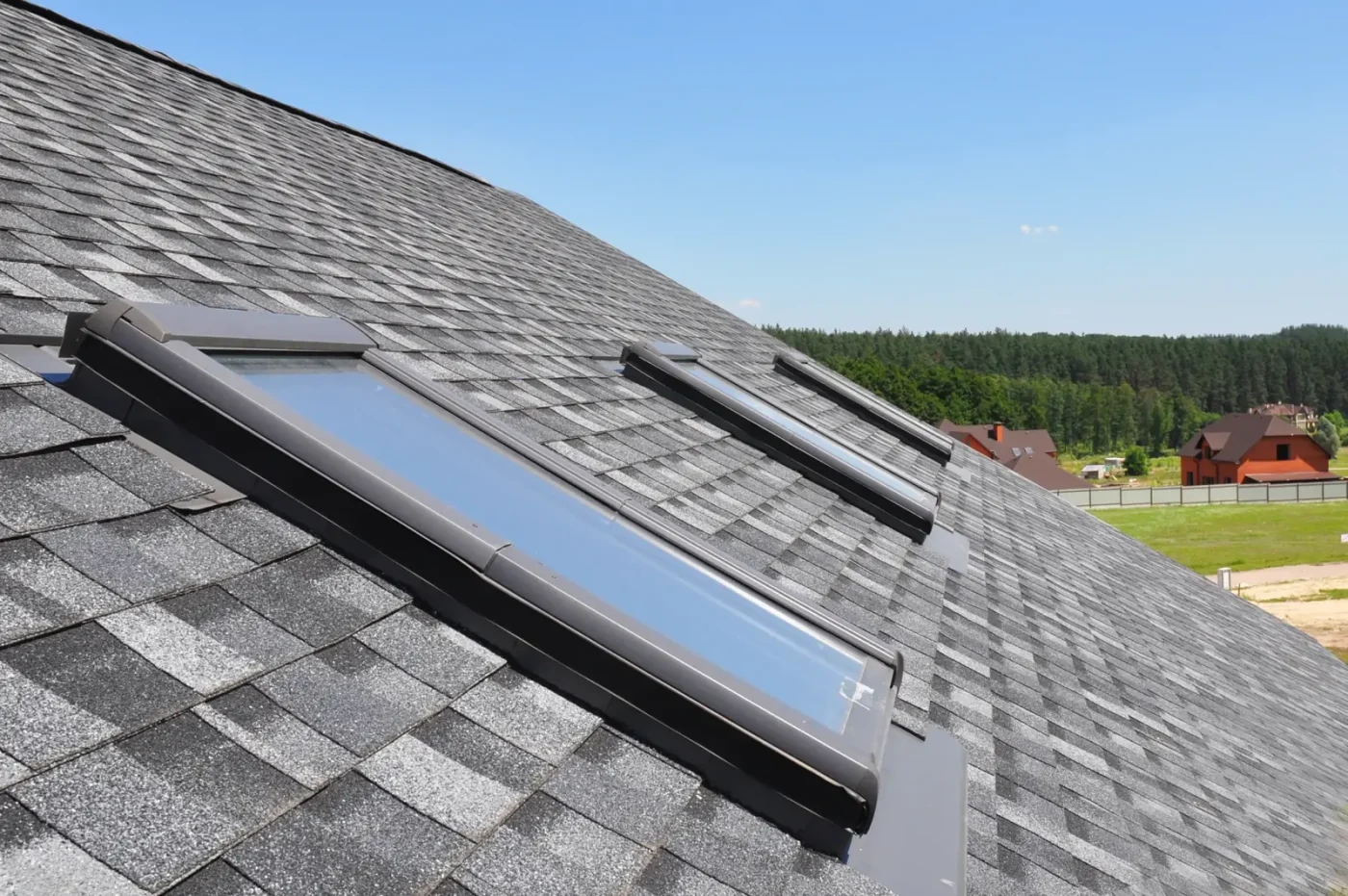
The roof. A visibly aged roof undermines everything else that has been done, and it is a large enough proportion of what you see from the street that no amount of paint compensates. If a re-roof is coming anyway, doing it before the paint is the right order. Worth knowing that California’s cool roof requirement applies to most re-roofing across this county’s valley and desert areas, so the material choice is partly made for you.
Home exterior ideas that protect as well as improve
If you would rather spend once than twice, these are the jobs where appearance and protection are the same work.
- Paint on schedule rather than when it looks bad. By the time a coating looks obviously failed, the substrate has already been exposed for a while. This is the clearest example on the list of maintenance being cheaper than repair.
- Seal the gaps. Around windows, doors and where different materials meet. It keeps water and insects out, and in this climate it is a measurable difference on the cooling bill.
- Get the drainage away from the house. Downspouts discharging next to the foundation are a slow, expensive problem. Extending them is cheap and it is one of the few exterior jobs that pays for itself outright.
- Shade the west elevation. Whether by planting, an awning or a covered patio, reducing afternoon sun on the hottest wall protects the finish and lowers what the air conditioning has to do. In the high desert this is worth more than it sounds.
- Deal with wood before it fails. Fascia, trim, garage door surrounds and fences. Wood that has lost its coating in this sun goes quickly, and replacing trim costs considerably more than repainting it would have.
The through-line is simple enough. In this climate the outside of a house is under continuous attack from the sun, and the work that keeps it looking good is the same work that keeps it sound. Doing it on schedule is the cheapest version. Doing it after something has failed is the expensive one.