
Garage Conversions · Inland Valley
The Conversion Came With the House, Not With a Permit
A garage converted into a bedroom decades ago, with no permit on file, is common in Fontana's older tracts. It usually stays invisible until an appraisal or an inspection forces the issue — and by then, you own the problem.
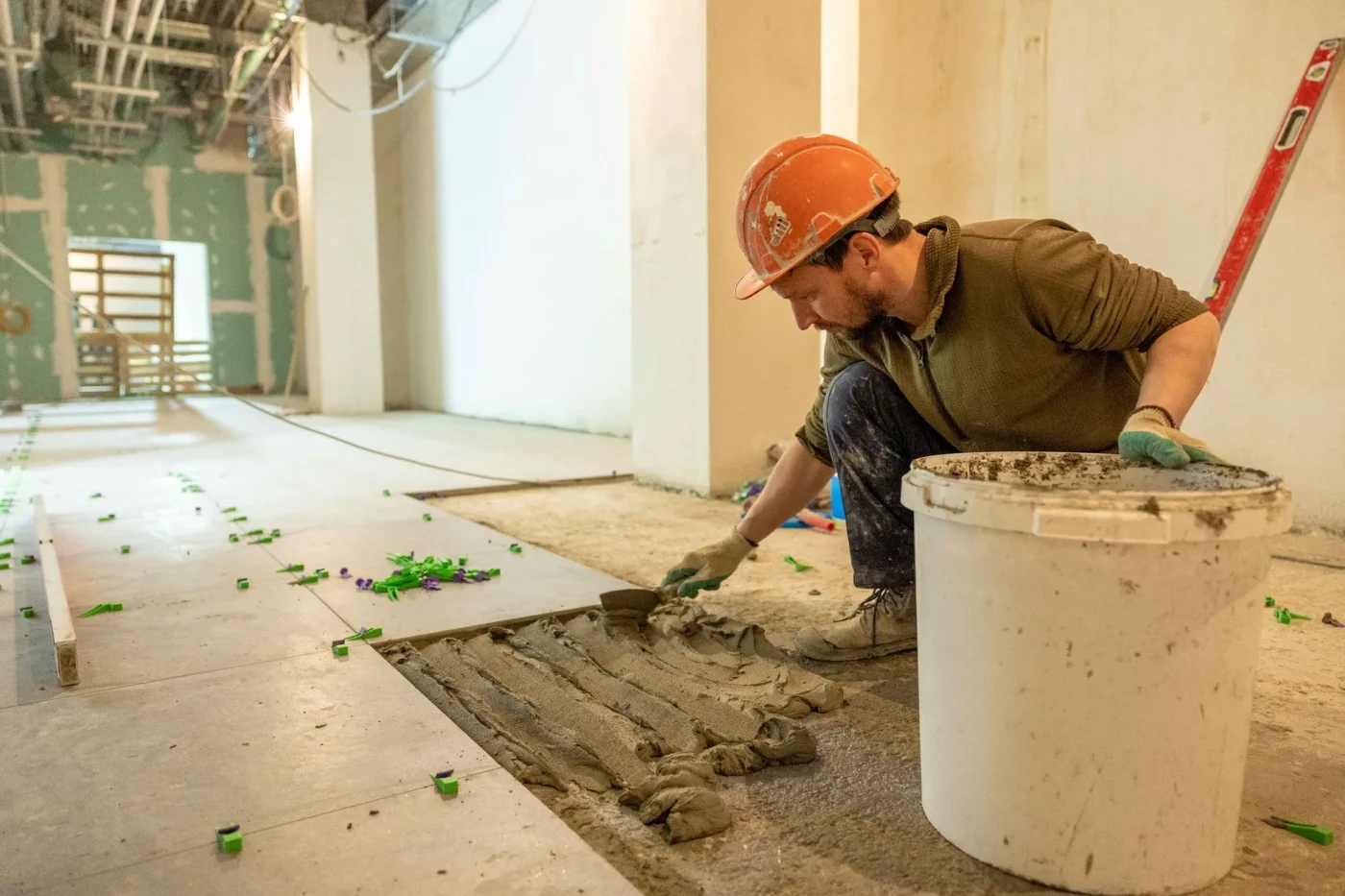
Planning in Fontana
The address matters before the estimate does.
This page sits in the Inland Valley part of our San Bernardino County service area. A town name alone does not decide the permit, inspection or construction requirements: the project address, jurisdiction and written scope do.
That is why the first useful step is a walkthrough of the property—not a generic price attached to a ZIP code.
- Town
- Fontana
- Service region
- Inland Valley
- Project type
- Garage Conversions
- Building review
- Confirmed for the project address
Unpermitted Garage Conversion Fontana, CA
What an Undocumented Room Costs You at the Worst Moment
South and North Fontana both carry a lot of housing from the 1950s through the 1980s, and a share of it has a garage that became a bedroom, a den, or an in-law space somewhere along the way without ever going through the City of Fontana’s permit process. Nobody set out to hide anything, usually — a prior owner needed the room, did the work, and moved on. But the city has no record of it, and that gap does not surface on a walkthrough.
It surfaces at specific moments. A lender’s appraiser measures the house and finds the converted room does not match the square footage on record, which can affect the appraised value or stall the loan. A home inspector notes electrical or ventilation that does not meet current code. An insurance company, writing a policy based on what the county has on file, is covering a house that is not the house that actually exists.
None of that means the room has to come out. It means the gap between what was built and what is documented needs to close, and there are a few honest ways to close it — which one fits depends on what is actually behind the drywall, and that only gets answered by opening it up.
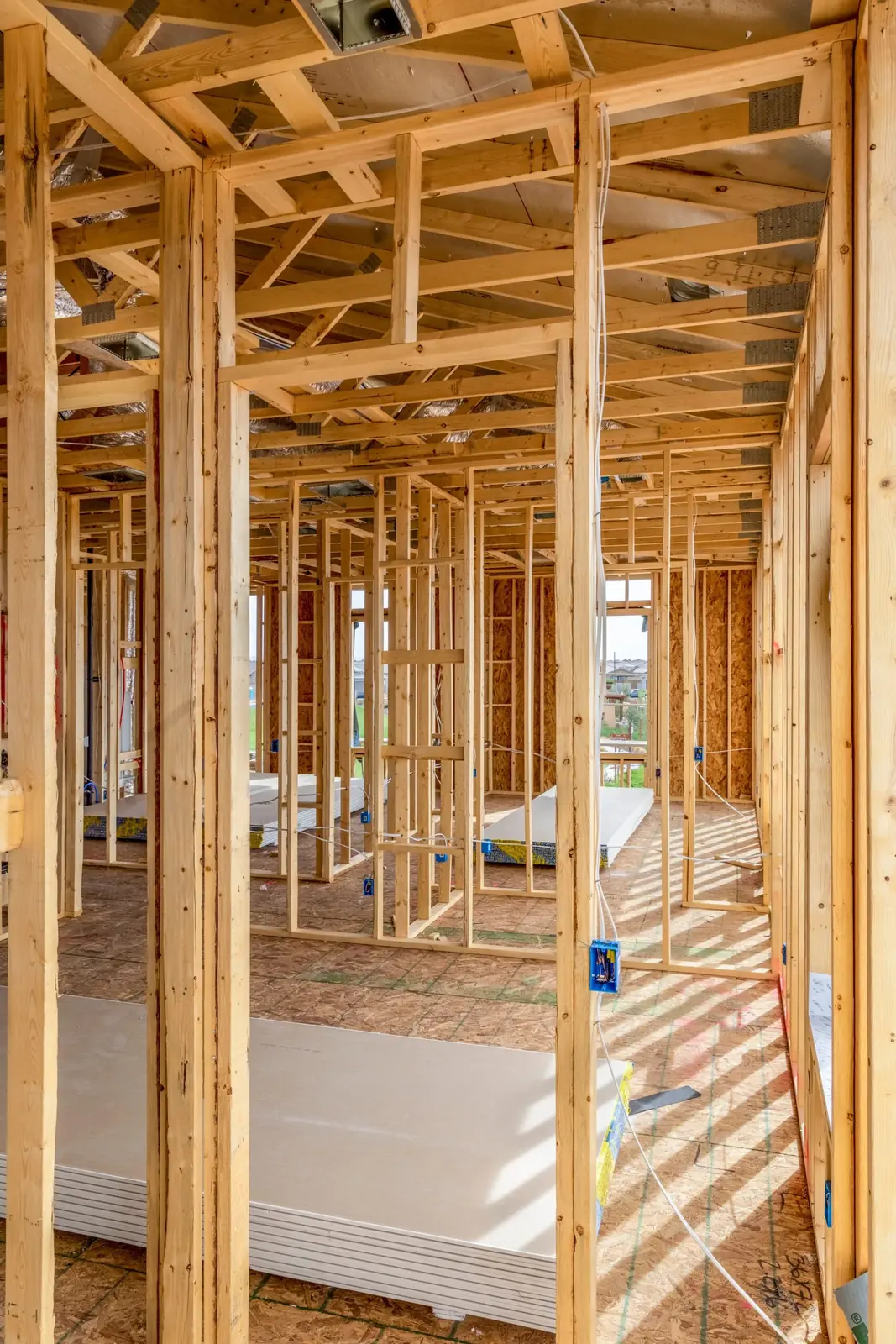
A clearer garage conversions scope
Treat the conversion as a building project, not a decorated garage.
These are the questions the written proposal should answer. The exact solution still depends on what is found at the property.
Existing structure
Review slab, framing, openings, ceiling height and the connection to the main house.
Comfort and utilities
Plan insulation, heating and cooling, power, plumbing and ventilation for the intended use.
Permit path
Confirm use, drawings, required approvals and inspections for the project address.
Licensed Garage Conversion Contractor Fontana, California
We Look at What Is There Before We Tell You What To Do
We get this call from two different people: someone who just bought a Fontana house and discovered the converted garage during their own inspection, and someone who has lived in the house for years and is only now dealing with it because they are trying to sell, refinance, or add insurance coverage. Both conversations start the same way — with an honest look at the work before any recommendation gets made.
Ask any contractor proposing to correct or complete a conversion for their CSLB number before they touch a wall; ours is #1105333, Class B General Building, bonded, and it is a matter of public record you can check at cslb.ca.gov. That matters more here than on a standard remodel, because correcting undocumented work means opening walls to verify wiring, framing and insulation that nobody currently has any record of.
What we do not do is tell you the room has to be reverted before we have actually looked at what is there. A lot of unpermitted conversions are structurally fine and framed reasonably well — the gap is paperwork and a few code items, not a rebuild. Others genuinely are not, and the honest answer in that case is the honest answer, not the one that sells the bigger job.
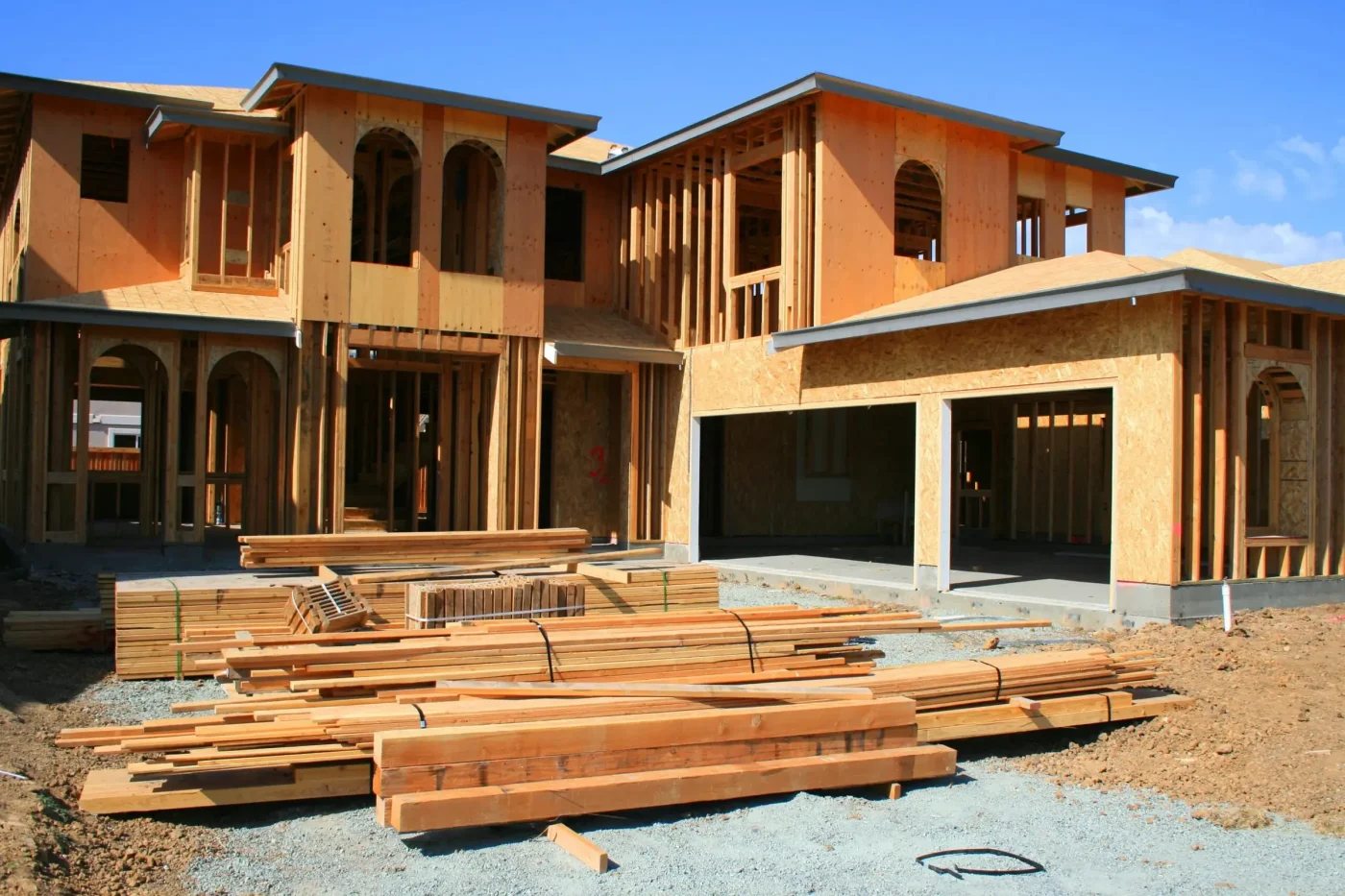
From walkthrough to written scope
Three decisions before construction starts.
- 01
Walk the property.
Review the existing condition, access and the result you want at the actual address.
- 02
Write the scope.
Name the work, materials, exclusions, permit responsibilities and sequence in one document.
- 03
Attach the price.
The estimate belongs to that exact scope, so you can compare the job—not only the number.
Retroactive Garage Conversion Permitting in Fontana, CA
Three Routes: Permit It, Correct It, or Give the Room Back
The first step is an inspection that treats the converted space as an unknown, because it is one — no plan set exists to compare it against. We open enough of the wall and ceiling to see the framing, the wiring, and whether insulation and a vapor barrier were ever installed, and we check the electrical circuits serving the room against what current code requires for a habitable space.
What that inspection finds points toward one of three routes. If the work is fundamentally sound, the City of Fontana’s process for retroactive permitting — sometimes called permitting after the fact — lets you bring the existing conversion up to code and get it inspected and documented, closing the gap without tearing the room out. If the framing or systems have real problems, correcting them to current code before final inspection is the route, which means more of the wall comes open than in the first scenario. And on a smaller number of cases, where the structure genuinely cannot be brought up to standard without excessive cost, reverting the space to a garage is the honest recommendation.
Whichever route fits, the city inspects the result and issues the documentation that should have existed from the start — the piece that actually solves the problem you called about.
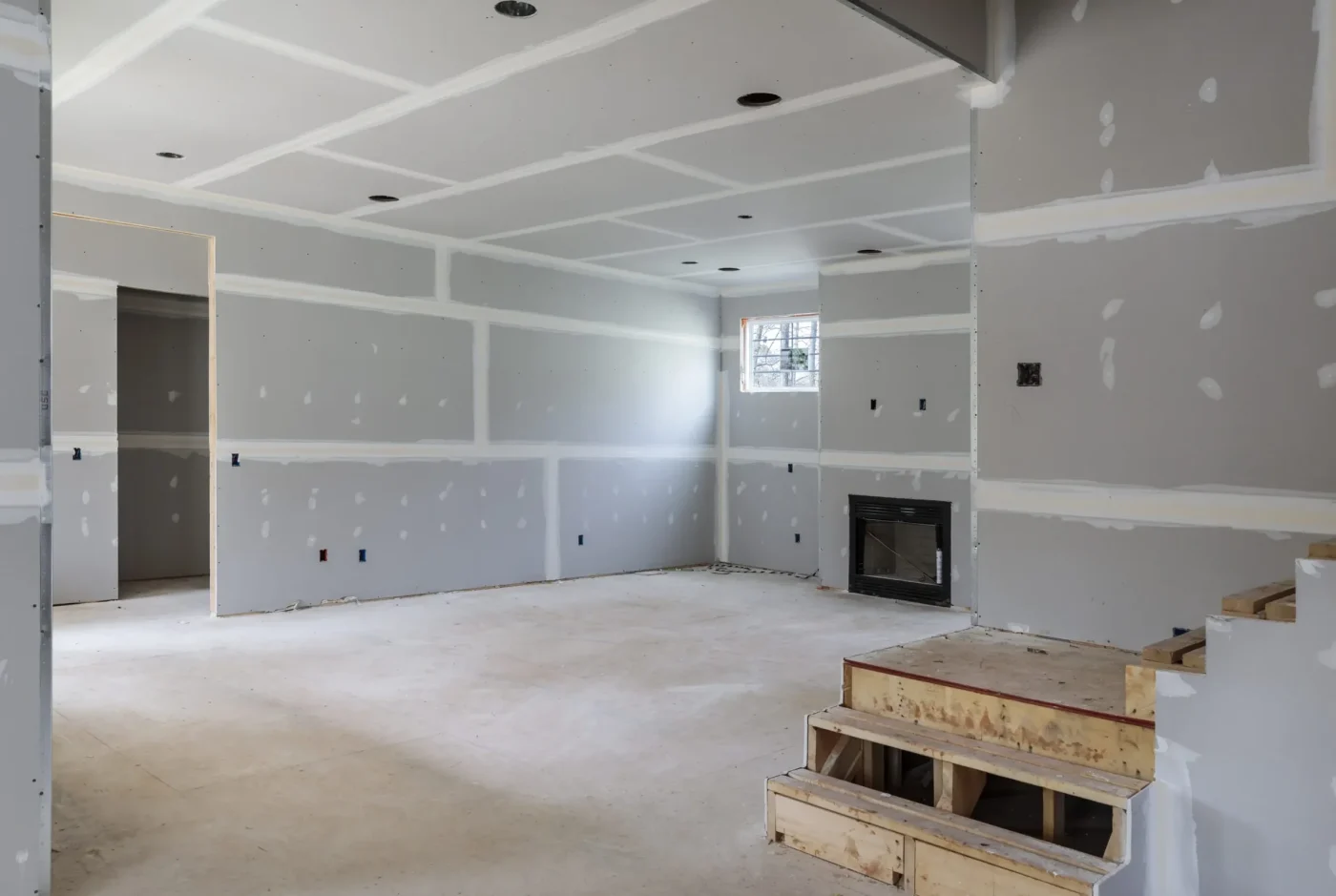
Garage Conversion Correction Services, Fontana CA
What Gets Opened Up When Nobody Knows What Is Behind the Wall
What gets found behind an undocumented Fontana garage conversion varies more than people expect. Some rooms have proper insulation and code-compliant wiring and just need the paperwork caught up. Others have circuits overloaded onto whatever was nearest, no vapor barrier under the flooring, or framing that was never inspected for the load it is now carrying — and each of those needs a different amount of work to correct.
Electrical is usually the first thing we check, because a room converted without a permit is the room most likely to be running lighting and outlets off a circuit that was never sized for it. Insulation and moisture protection come next, since Fontana’s summer heat makes an uninsulated converted room miserable and, over time, can affect the framing itself if moisture has been an issue.
Retroactive permitting, correction to code, and reversion are all inside a Class B general building scope, with licensed electrical and plumbing trades brought in for whatever the specific correction requires. There is no standard scope until the inspection tells us what is actually there.
There’s no charge for the inspection or the honest read on what happened before you owned the house, financing is available if the correction runs long, and the 15% remodeling coupon is active — jeromehelpsyou@gmail.com or (213) 544-1694.
Reviews from San Bernardino County homeowners
Every one of them is public, and every one is on Google
None of these are from Fontana specifically, and they are not presented as if they were. They are the whole public record, linked so you can check it.
Steve Cowens
2026-03-11
My wife and I called Jerome directly at Socal Home Improvement. I heard him on KJLH Radio, Station advertising his business. When calling him, he set up an appointment to come out the same day, which was outstanding perfect. I must say on his arrival he was very professional and knew his job very well…
Rewa Cooper
2026-05-15
We recently completed a 6-week renovation with Jerome’s So Cal, and we couldn’t be happier with the results. As with any renovation, there were a few ups and downs along the way, but every concern we brought to their attention was addressed quickly and professionally…
jacqueline wright
2026-03-27
My Jerome’s SoCal Home Improvement experience was great. He remodeled my two bathrooms and I was very pleased and impressed with the outcome. Jerome’s team was amazing. They were punctual, efficient, hard working, courteous, skilled fast and accommodating. They clean behind their work; leaving no mess. His worker came to me at each stage of the progress to ensure I approved the work…
Debra Tucker
2026-03-10
I've worked with Jerome and his staff on two separate occasions. They are very professional and very nice. I had my house painted, windows replaced and a roof. my home is beautiful…
Joseph Ford
2026-03-31
Very reliable and professional company. Communication was clear throughout the project, and the final result was perfect. I highly recommend Jerome's SoCal Home Improvement
Elijah Brooks
2026-03-31
Jerome's SoCal Home Improvement did an amazing job on my house renovation! The team was professional, punctual, and paid attention to every detail. Highly recommended for anyone looking for quality work
Fontana project questions
Useful answers before you request a walkthrough.
Read the complete FAQ →I bought a house in Fontana with a converted garage that was never permitted. What do I do now?
Start with an inspection that treats the space as unknown, because from the city’s records it is — there is no plan set on file to compare it against. We open enough of the wall and ceiling to check the framing, the wiring, and whether insulation and a moisture barrier were ever installed, and check the electrical against what current code requires for a habitable room.
What that finds determines the route: retroactive permitting if the work is sound and just needs to be brought current and documented, correction to code first if there are real problems with the framing or systems, or in rarer cases reverting the space to a garage if it cannot be reasonably brought up to standard. None of those decisions should be made from a walkthrough. They get made after someone has actually looked behind the drywall.
How does an unpermitted conversion affect an appraisal or a home loan?
An appraiser measures the house against what is on record with the city, and a converted garage that was never permitted is not on that record — which means the square footage the appraisal counts may not match what you are actually living in. Depending on the lender and the loan type, that gap can affect the appraised value or become a condition that has to be resolved before the loan closes.
This is one of the more common ways an old, invisible conversion becomes a very visible problem — usually during a purchase or a refinance with a closing date attached, which is the worst possible moment to be starting a correction from scratch. Addressing it before you are under that kind of deadline, if you have the option, saves a lot of pressure on the timeline.
What is retroactive permitting and does Fontana actually allow it?
Retroactive permitting, sometimes called permitting after the fact, is the City of Fontana’s process for bringing existing, previously unpermitted work up to code and into the official record without requiring it to be torn out and rebuilt from scratch. It generally involves opening the work up for inspection, correcting whatever does not meet current code, and having the city sign off on the result.
It is not automatic, and it is not guaranteed to apply to every situation — the city still has to be able to verify the work meets code once it is opened up. But for a conversion that was reasonably built and just never went through the process, it is usually the fastest honest route to closing the gap, faster and less disruptive than a full rebuild.
Will I have to tear the room out and rebuild it?
Not necessarily, and it should never be the first answer offered before an inspection has actually happened. A meaningful share of undocumented conversions are framed reasonably well and just need the electrical, insulation and paperwork brought current — that is a correction, not a demolition. What determines the actual answer is what the inspection finds once the wall is opened.
Some conversions genuinely do have problems severe enough that correcting them to current code costs close to what a rebuild would, and in that narrow case reverting the space to a garage can be the more honest recommendation than sinking money into a correction that barely gets there. We tell you which situation you are in after looking, not before.
What does correcting an unpermitted garage conversion cost?
It depends entirely on what the inspection finds, which is why we do not quote a number before opening the wall. A conversion that just needs documentation and minor code items costs far less than one where the electrical needs to be reworked, insulation added, or framing corrected for a load it was never designed to carry.
What we commit to is an honest inspection first, a written scope that names exactly what needs correcting and why, and pricing that reflects the actual condition of the space rather than a flat per-room estimate. Financing is available if the correction runs longer than expected, and the 15% remodeling coupon applies to this work the same as any other remodeling project.
Can I just leave the conversion as it is and not deal with it?
You can, until one of a few moments forces the question — selling the house, refinancing, a code enforcement complaint from a neighbor, or an insurance claim where the carrier discovers the square footage does not match what they priced the policy on. Any of those can turn a manageable correction into a deadline-driven scramble, which is a worse position to negotiate from than dealing with it on your own timeline.
If you are not selling or refinancing soon, there is no requirement to act immediately, and we will not tell you otherwise to create urgency that is not real. What we would say is that the gap does not close itself, and the cost of closing it does not generally go down the longer it waits. A free inspection at least tells you what you are actually dealing with.
Fontana at a glance
Where Fontana is, and where we are
The offices, conditions and public records a Fontana project touches — and the shop this work is dispatched from, so the distance is not a guess.
- Map Open A Fontana, CA Map
- Post office Find The Fontana, CA USPS
- Pharmacies Locate Nearby Fontana, CA Pharmacies
- Weather View The Current Weather In Fontana, CA
- County and state San Bernardino County California State