Choosing a roof in Southern California is a different problem from choosing one almost anywhere else. Snow load is irrelevant. Sustained heat, hard ultraviolet exposure, long dry seasons and wildfire risk are not. On top of that, California’s energy code puts a reflectivity requirement on most re-roofing work, which quietly removes some options before you have started comparing them. This is a straight comparison of the four materials worth considering, what each costs installed, how long each actually lasts, and where the code fits in.
The main types of roofing materials, and what each costs here
Four materials cover almost every residential roof in this region. Installed costs below are Los Angeles metro figures, because no Inland Empire roofing cost publication exists. Treat them as the right order of magnitude for San Bernardino County, CA rather than as local quotes.
| Material | Installed, per sq ft | Typical lifespan in SoCal | Notes |
|---|---|---|---|
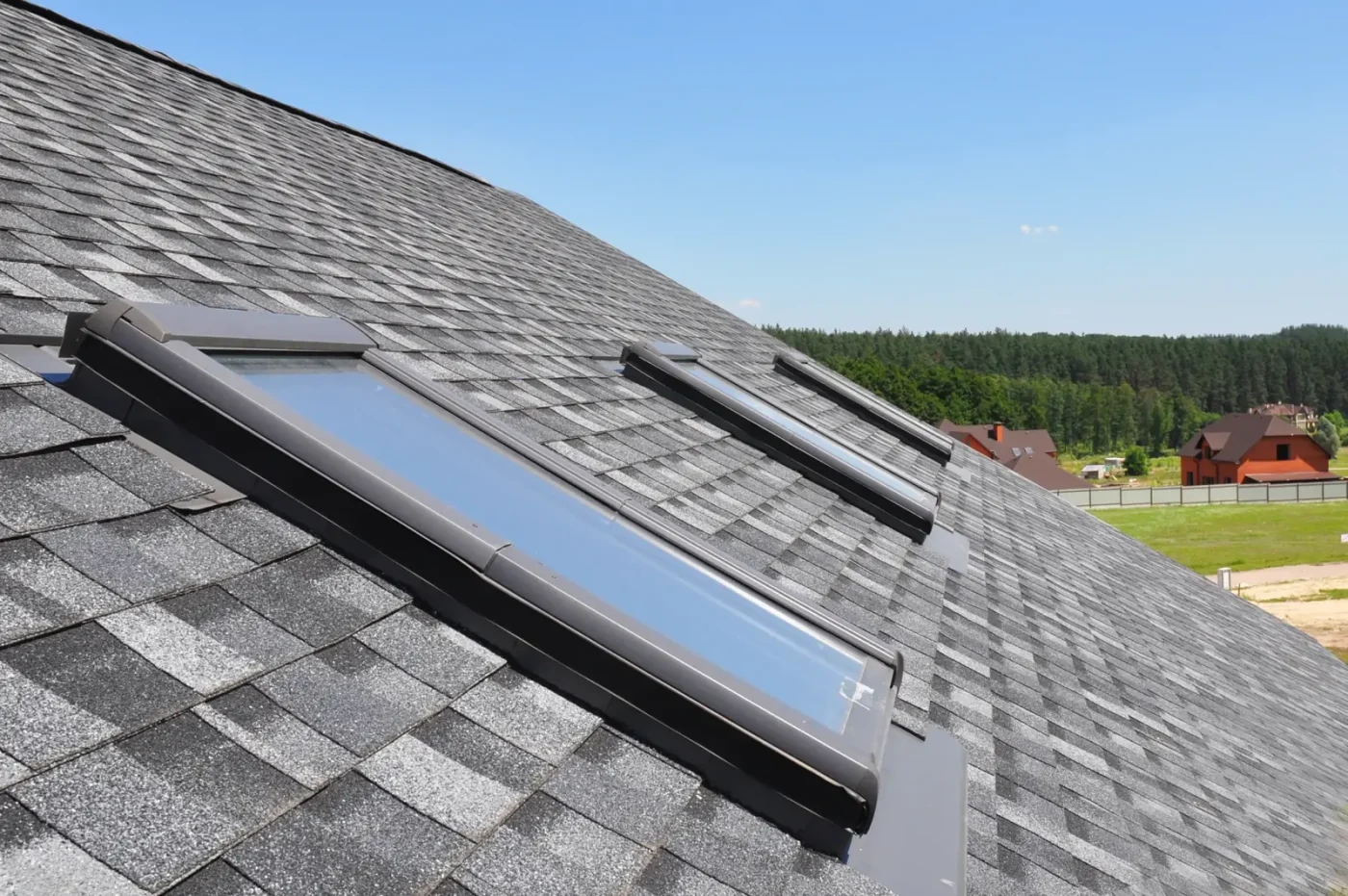
| Asphalt shingle | $4 to $12 | 20 to 30 years | The default. Widest colour range, lowest entry cost, shortest life. |
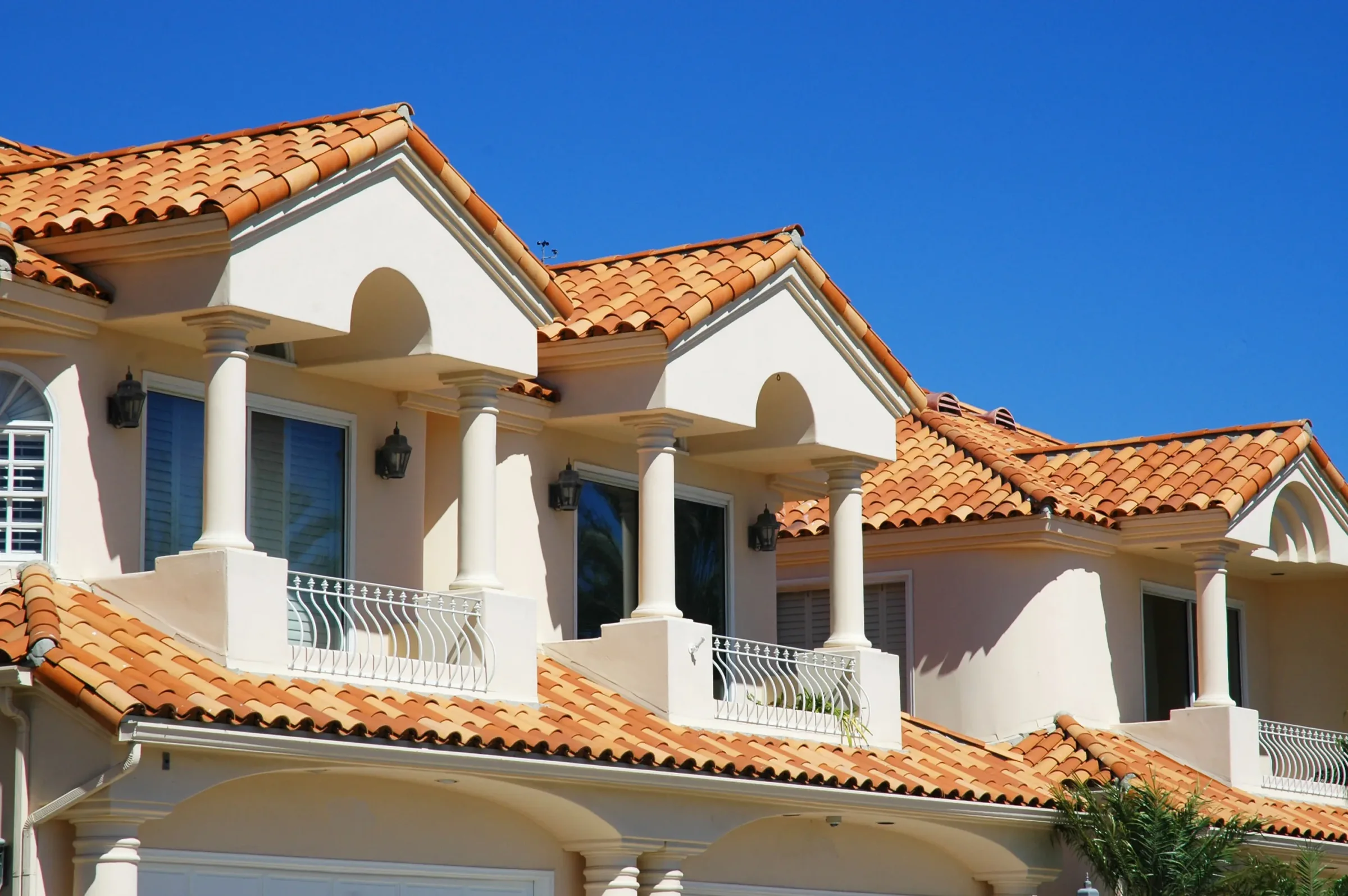
| Clay or concrete tile | $7 to $15 | 50+ years | Heavy. Usually exempt from the cool roof rule on weight alone. |
| Metal | $7 to $16 | 40 to 70 years | Reflective, light, long-lived. Covers a huge quality range. |
| Slate | $15 to $30 | Longest of the four | Rare here. Heavy, and the structure has to be built for it. |
Cost figures: Angi, Roof Replacement Cost, Los Angeles (July 2026). Lifespan figures: GreatBuildz, Roof Replacement Cost LA (July 2026), which puts SoCal roofs generally at 15 to 30 years.
For a whole-roof project rather than a per-foot figure, LA metro replacement averages about $17,271, with a normal range of roughly $10,256 to $24,963 (Angi, July 2026).
What the price ranges do and do not tell you
Two honest warnings about the table above.
First, the sources disagree, and the gaps are wide. Angi puts tile at $7 to $15 per square foot for the LA metro; Fixr’s California page puts clay tile at $10 to $20. That is close to a two-times difference at the bottom of the range. Metal is worse, because the category runs from corrugated steel to standing-seam copper and no single range describes both.
Second, a per-square-foot figure is roof area, not floor area. A roof with multiple hips, valleys, dormers and penetrations costs more per square foot than a simple gable of the same size, because the labour is in the detailing.
How long each one actually lasts
Published lifespans are optimistic almost everywhere, and the spread between sources on asphalt shingle alone runs from 15 years to 35. The regionally honest number is that SoCal roofs generally last 15 to 30 years, with asphalt at the shorter end and tile and metal well beyond it.
Sustained heat is why. A roof surface in the high desert in August is dramatically hotter than the air temperature, and that thermal cycling is what ages asphalt: the volatile oils bake out, the mat becomes brittle, granules shed, and the shingle stops flexing. A roof in Victorville or Barstow will not match a roof in a coastal climate, and it should not be budgeted as though it will.
Cool roofs, and the Title 24 rule that decides part of this for you
A cool roof is simply a roof surface that reflects more sunlight and releases absorbed heat faster, measured as solar reflectance and thermal emittance. In this climate it lowers attic temperature and cuts cooling load, which is a real running cost on a house that runs air conditioning five months a year.
It is also not entirely your choice. California’s energy code sets minimum reflectance values for most residential re-roofing across this region.
What the code actually requires
The governing standard is the 2025 California Energy Code (Title 24, Part 6), effective 1 January 2026. Section 150.2(b)1I applies where more than 50 percent of the roof is being replaced, and it explicitly includes adding a new surface layer on top of the existing exterior surface. An overlay counts.
| Roof type | Aged solar reflectance | Thermal emittance | or SRI |
|---|---|---|---|
| Steep-sloped, 2:12 and above | 0.20 or more | 0.75 or more | 16 or more |
| Low-sloped, under 2:12 | 0.63 or more | 0.75 or more | 75 or more |
Most homes in this county sit in Climate Zone 10, the inland valleys, or Climate Zone 14, the high desert. Both fall inside the code’s zone lists, so the requirement applies across the county’s populated valley and desert areas alike. One exception matters: Big Bear, Lake Arrowhead and the surrounding mountain communities are Climate Zone 16, which is outside both lists, and the cool roof requirement does not apply there. Zone boundaries follow survey lines rather than city limits, so an individual address is worth checking rather than assuming.
The exemptions worth knowing about
The code offers several routes to compliance other than the roof surface itself, and one of them explains why tile roofs rarely come up in this conversation.
- Roof assemblies weighing 25 pounds per square foot or more are exempt. That covers most concrete and clay tile roofs outright.
- A ceiling insulated to R-38 or better is treated as equivalent.
- An attic radiant barrier meeting the code’s specification is treated as equivalent.
- In Climate Zones 10 and 14 specifically, a house with no ducts in the attic is treated as equivalent.
- Roof area covered by solar panels is exempt.
This is worth understanding before you shop, because it changes the question. If your house already has a heavy tile roof or a well-insulated attic, the reflectance requirement may not constrain your material choice at all.
So what are the best roofing materials for a home here
There is no single answer, but there is a defensible short version.
Asphalt shingle remains the sensible default for most houses. It is the cheapest way to get a sound roof, cool-rated shingles are readily available, and 20 to 30 years is an acceptable horizon for most owners. It is the right answer far more often than the industry likes to admit.
Tile is the strongest long-term value if the structure already carries it, which on a great many houses in this county it does. Replacing tile with tile on a home built for it is usually cheaper over 50 years than two asphalt roofs, and the weight exemption keeps the code out of the decision.
Metal is the best performer in the high desert and the one we would push hardest for a house in Victorville, Hesperia or Barstow. It reflects, it does not degrade the way asphalt does under that heat, and 40 to 70 years is realistic. The entry cost is the obstacle.
Slate is beautiful and almost never the right call here unless the house is already slate and the structure was built for the weight.
The honest closing point is that the material matters less than the installation. A correctly detailed asphalt roof with proper flashing, ventilation and underlayment will outlive a badly installed tile roof, and it is the flashing and the valleys that leak, not the field of the roof.